Adaptive Solutions for Visual Impairment
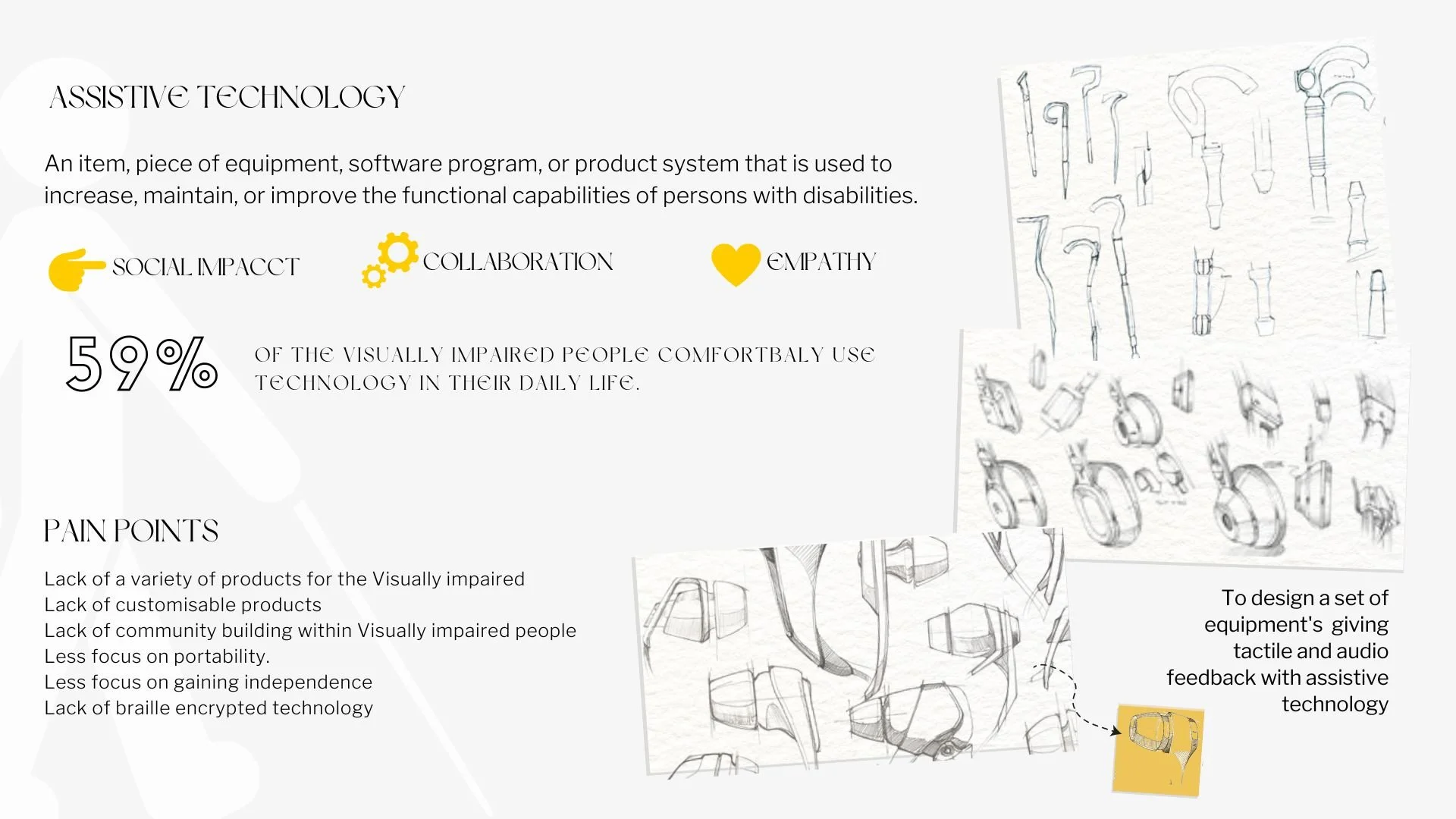
Navigating the world independently is something most people never have to think about. For the 41% of visually impaired individuals who do not comfortably use technology in daily life, every interaction with their environment, a crowded street, an unfamiliar space, a new neighbourhood, carries a layer of uncertainty that good design should be able to reduce.
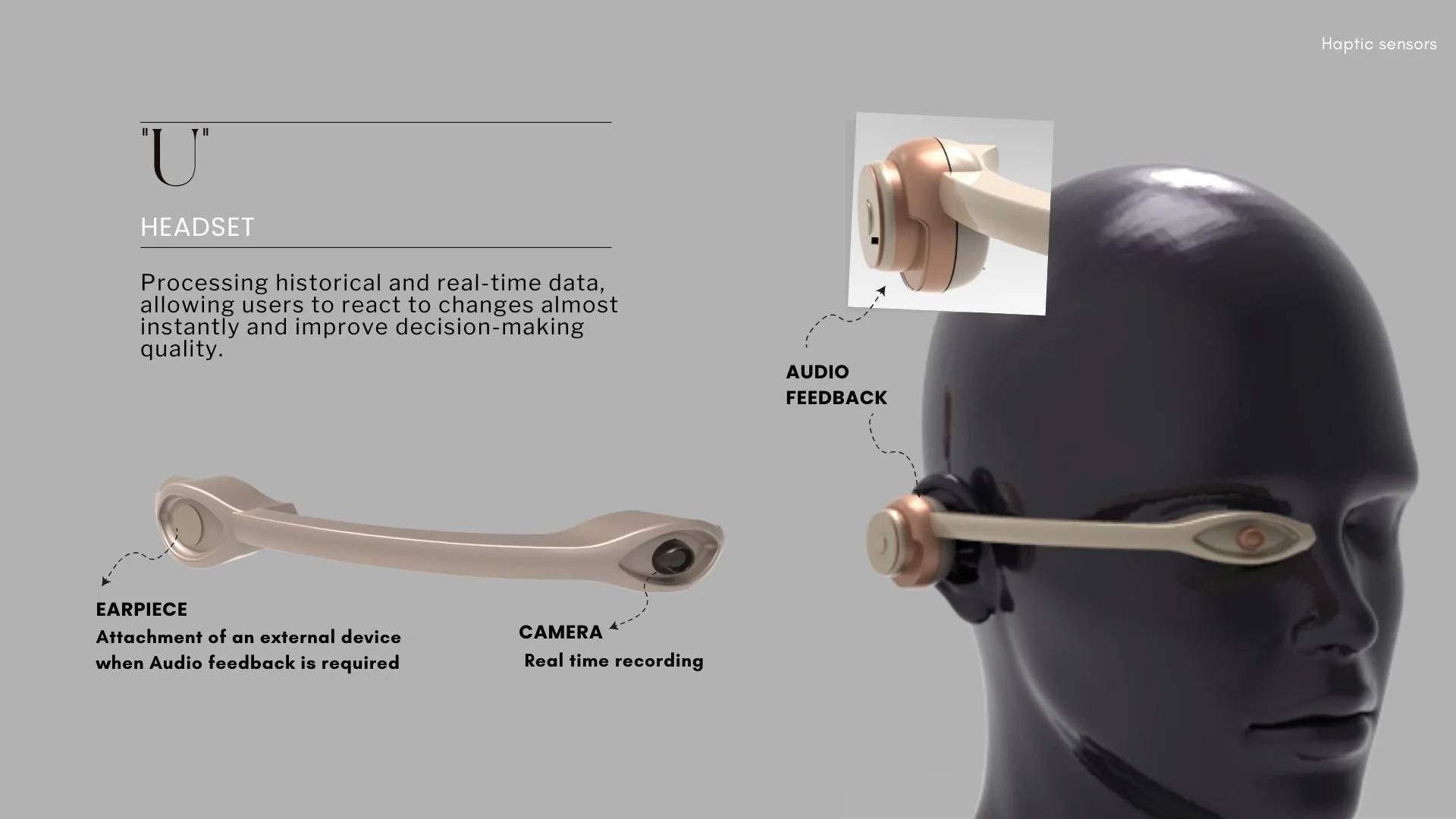
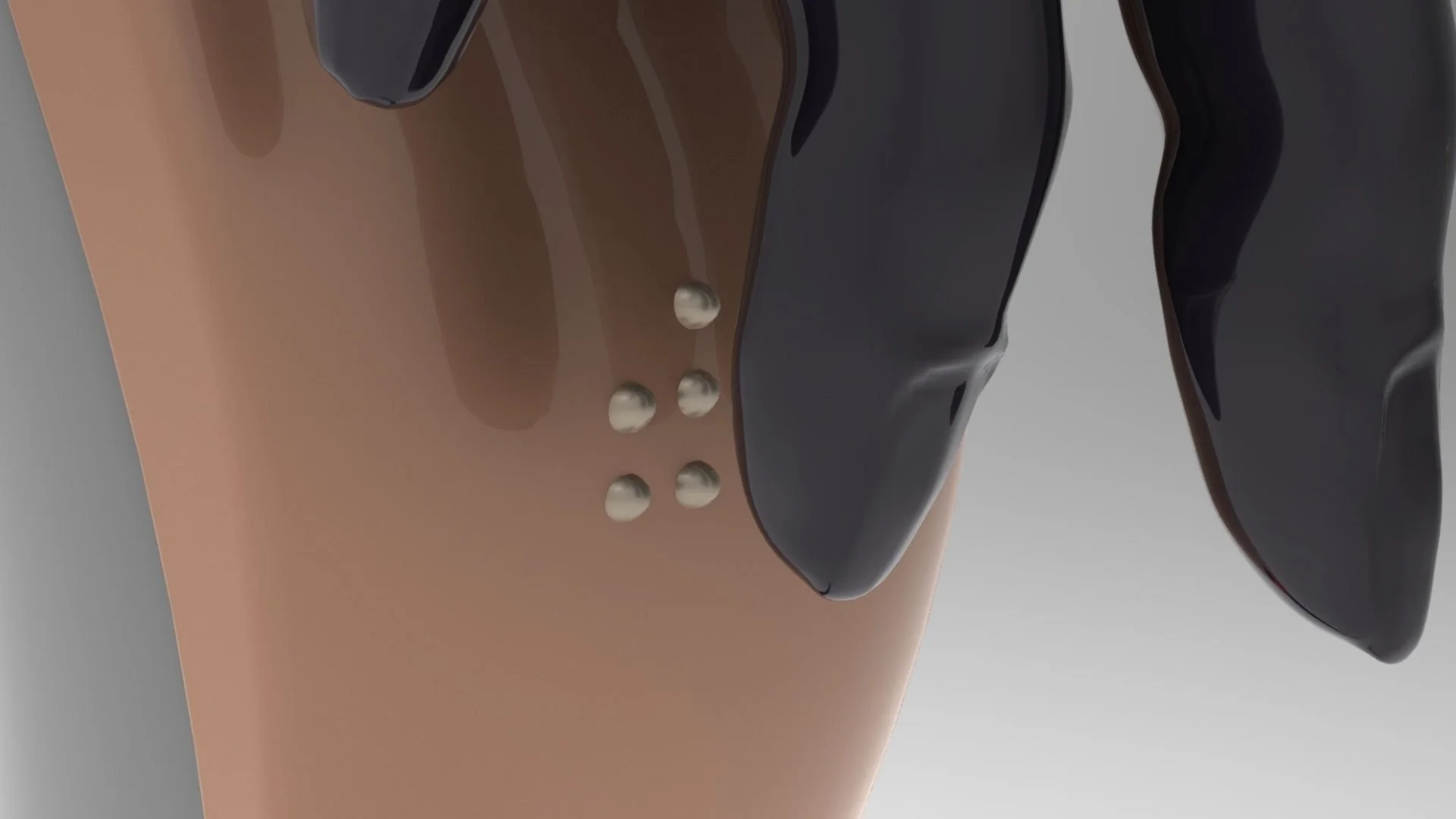
Ujala is a portable, customisable assistive system that combines real-time data processing with adjustable Braille interfaces to support visually impaired users in interacting with their surroundings on their own terms. The project is grounded in core HCI (Human Computer Interaction) principles: user autonomy, context-awareness, and feedback loops that respond to the user's immediate environment in real time. Iterative participatory design methods were used throughout, ensuring that the people this system was built for were active voices in shaping it, not passive test subjects. The result is a system that adapts to the user rather than asking the user to adapt to it.
The project grew from a simple question: why does assistive technology so often feel clinical and isolating, when the spaces people move through are social, dynamic, and deeply human? Designed with flexibility and community at its core, Ujala aims to bridge the gap between a person and their environment, whether that environment is a home, a street, or a city.